

Casino live dealer games bring a streamed table, a human presenter, and interactive software together in one experience. Their immersive quality comes from more than realistic visuals: timing, sound, camera views, clear game information, and player choices all help create a sense of being present at a table, as seen in offerings such as Vegas Hero . Understanding how these elements work can make it easier to choose a game that suits your preferences. It is also worth considering connection quality, rules, limits, and responsible play before joining a live session.
What players should understand before joining a live dealer game
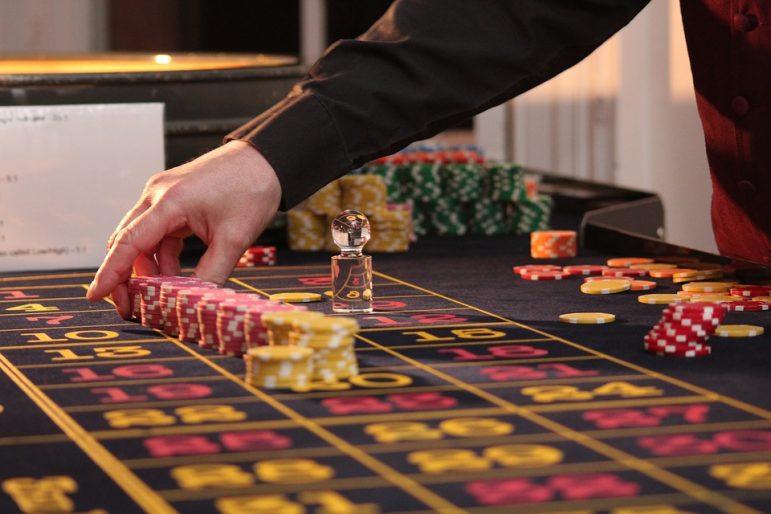
A live dealer game is streamed from a studio or casino floor, where a presenter manages a physical table and the software displays the action on a player’s screen. Depending on the game, participants may place bets through digital controls, watch cards dealt or a wheel spun, and follow the result as it unfolds. The stream, interface, and game engine work together, but they have different roles: the presenter conducts the table, while the software handles betting options, account functions, and the display of relevant information.
Immersion is a personal response, not a guarantee that a game will feel realistic to everyone. Some players value natural conversation and the visibility of physical cards or roulette equipment; others prefer quick rounds, minimal commentary, or a clear view of betting options. A stable internet connection and a device with a suitable screen can also affect the experience. Before playing, review the rules, minimum and maximum stakes, and any local age or access requirements. Treat the game as entertainment, set a spending limit, and never wager money needed for everyday expenses.
How to get started with a live dealer table
Taking a few deliberate steps before the first round can make the experience easier to follow. Start with the game itself rather than the camera effects: choose a familiar format, read its rules, and check the table’s pace and limits. If the service provides a free-play or practice option, it can help you learn the controls without risking money. Once you are comfortable, keep your first session simple. The goal is to understand how betting, timing, and on-screen information work, not to feel pressured to act quickly or increase your stake.
- Choose a game: Select a familiar option, such as blackjack, roulette, or baccarat, and check that its rules match your expectations.
- Review the table: Read the minimum and maximum stakes, betting window, game rules, and any displayed side-bet terms.
- Check your setup: Use a reliable connection, adjust the sound, and choose a screen size that makes the cards and controls easy to see.
- Learn the controls: Explore the betting interface and available camera or information settings before placing a wager.
- Set a limit: Decide how much time and money you are willing to spend, then stop when you reach either limit.
- Reading the rules first reduces confusion during timed betting rounds.
- Checking table limits helps you find a pace and stake range that fit your budget.
- Testing audio and display settings can make dealer actions easier to follow.
- Setting a stop point supports a more controlled entertainment session.
Practical details that shape the live table experience
Small design choices often make a live dealer game feel more engaging. A well-framed camera lets players see the table clearly, while additional views can show cards, chips, or the roulette wheel from another angle. Lighting and sound can make the setting feel more natural, but they should support, rather than obscure, the game. The interface matters just as much: bet options, countdowns, results, and balance information should be readable while the stream continues. When these pieces are coordinated, players can follow the round without having to search the screen for essential details.
Game pace is another practical factor. A rapid table may suit someone who already knows the rules, while a slower format can leave more time to review options. Some tables include a presenter who explains procedures or responds to chat; others keep conversation brief so the action stays central. Features vary by game and provider, so do not assume every table offers the same camera controls or interaction tools. Before wagering, check what is available and whether the stream is keeping up with the betting interface.
- Camera clarity: Look for an unobstructed view of the cards, wheel, or other equipment used in the game.
- Readable controls: Confirm that betting choices, round timers, and results are easy to understand on your device.
- Suitable pace: Choose a table speed that gives you enough time to follow the rules and make decisions.
- Useful audio: Adjust volume so spoken instructions are audible without making background sound distracting.
- Connection stability: A dependable connection helps reduce interruptions and keep the stream aligned with the game.
These practical details can be more important than elaborate visual effects. A straightforward interface and a clear stream help players focus on the decisions and the live action. If a session becomes difficult to follow because of lag, unclear controls, or distracting sound, it is sensible to pause rather than continue making rushed choices. Checking the game’s information panel and support options can also answer questions before they affect a round.
Key features that can add to immersion
Live dealer games can combine human presence with digital convenience. The presenter’s gestures and explanations give the round a visible sequence, while software makes it possible to place bets and review results from a personal device. Interaction may also add a social dimension, though the available features differ between tables. A chat window, for example, can make the session feel less solitary, but it is optional and should not distract from understanding the game. Immersion is strongest when presentation and usability work together, allowing players to follow what is happening without confusing atmosphere with the odds or rules.
- Human presentation: A dealer conducts the game and makes its progression visible in real time.
- Live table action: Physical cards, chips, or a wheel create a visual reference for each round.
- Multiple viewpoints: Where offered, camera choices can make important details easier to inspect.
- On-screen game information: Rules, betting areas, and results can help players keep track of the action.
- Optional interaction: Chat or dealer conversation may provide a social element without being essential to play.
These features do not change the underlying rules or guarantee a particular outcome. A polished stream can make a session more engaging, but it does not make betting risk-free. Players should distinguish presentation from probability and avoid interpreting a dealer’s manner, a past result, or the pace of a table as a signal about future results. Keeping that distinction clear supports an enjoyable experience without unrealistic expectations.
Trust, security, and responsible play at live tables
Before using a casino service, check whether it is legally available where you live and whether the operator holds the appropriate licence for your jurisdiction. Read the terms that apply to account access, deposits, withdrawals, identity checks, and dispute support. A live stream shows a table in operation, but it does not replace the need to understand the operator’s policies or the game’s rules. Use a secure connection, protect your account credentials, and avoid sharing personal or payment information in public chat. If any terms are unclear, seek an explanation from the service’s official support channel before depositing or playing.
Responsible play is part of a trustworthy experience. Set a budget and time limit before opening a table, and consider using available account tools such as deposit limits, session reminders, or cooling-off options. Do not chase losses, borrow to gamble, or treat a live game as a way to earn income. If gambling stops feeling like entertainment or becomes difficult to control, take a break and contact a recognised support organisation in your region. The ability to pause or leave a session matters more than staying with a particular table, presenter, or game format.
Choosing a live dealer game that fits your preferences
When deciding whether a live dealer game suits you, consider the full experience rather than relying on atmosphere alone. Look for clear rules, a comfortable stake range, a pace you can follow, and a stream that works reliably on your device. Think about whether you prefer a conversational presenter, a quieter table, or extra camera views, while remembering that features vary. A good choice is one that feels understandable and manageable, not simply one that looks impressive. If the game is unfamiliar, learn its rules first and use a practice option where available.
Immersion comes from the meeting of live presentation, visible game action, responsive controls, and useful information. Those elements can make a digital casino table feel more immediate, but the experience remains a form of gambling with financial risk. Keep your limits in view, step away whenever you need to, and choose only games that are legal and appropriate for you. With realistic expectations and careful preparation, players can better judge whether a live table’s atmosphere and format make it an enjoyable option.