From Catwalk to Sidewalk: Following The Row’s Style Journey
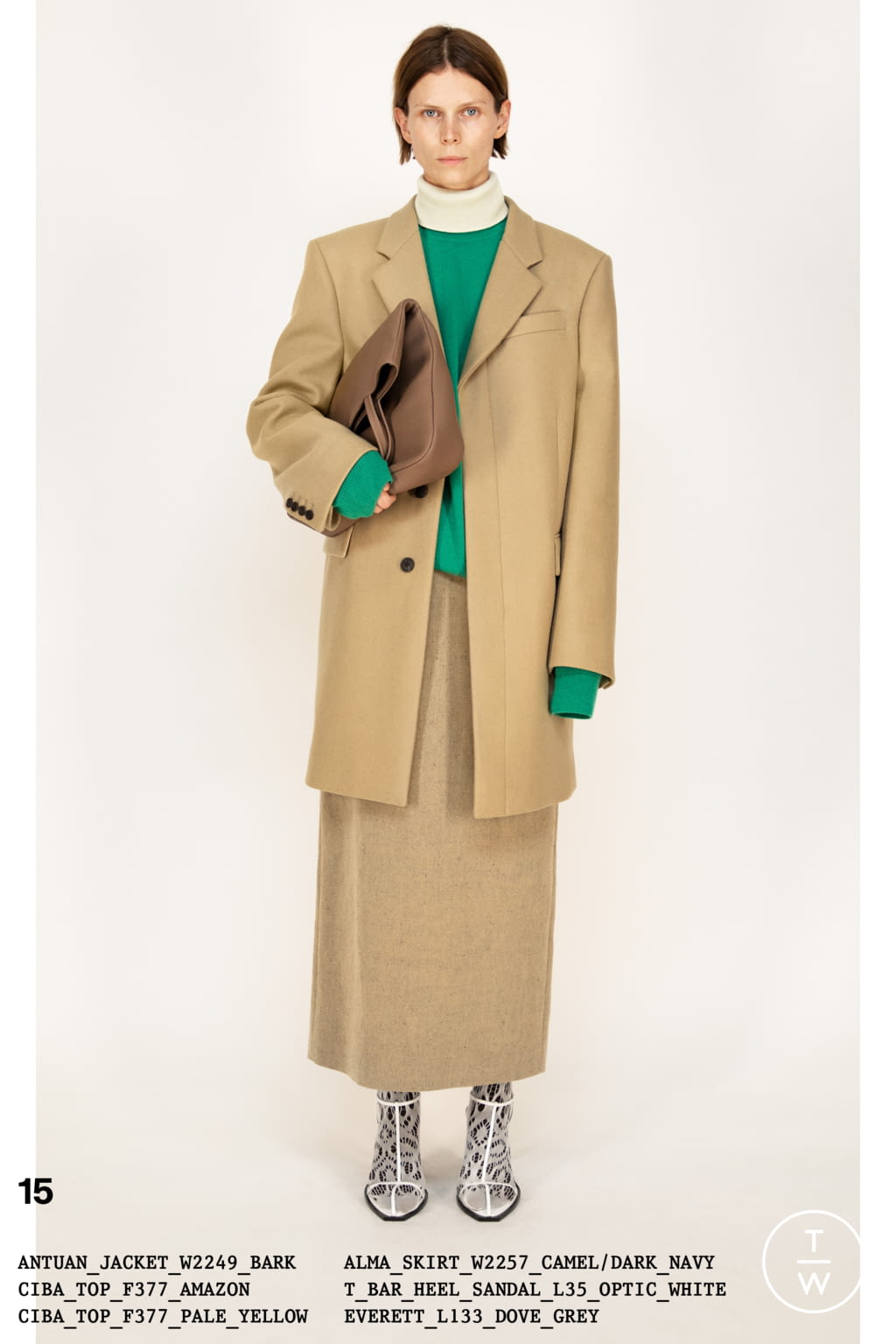
In the fashion world, this label has carved out a peculiar but desirable position. Founded by Mary-Kate and Ashley Olsen in 2006, the house first emerged as a understated counterpoint to the clamor of celebrity-driven labels and has developed into one of the most respected houses in quiet luxury. No logo announces itself on the front of a bag, no branding is stitched visibly into a coat lapel — yet the cognoscenti recognize it instantly. In Paris, The Row’s runway shows are known for being famously spare and intentional, frequently stripped of music or spectacle so the garments and accessories can speak for themselves. That very restraint now serves as the label’s boldest declaration. Tracking the movement of that runway minimalism into real-world desire, especially for row bags and row handbags, uncovers almost everything about fashion’s direction in 2026.
What makes this trajectory interesting is the gap between runway theatre and everyday wearability. Numerous labels showcase pieces that stay confined to the runway, whereas The Row takes the opposite approach. Each collection is built from the ground up for wearing, carrying, and repeating across seasons. That philosophy has made the row fashion approach a case study in longevity over ysl sale novelty, and nowhere is that more visible than in the brand’s handbag line, which has become the most searched, discussed, and resold category in its catalogue.
The Beginning: Restraint as a Statement of Resistance
At the time The Row debuted, minimalism was far from the prevailing sensibility it has since become. That era, the mid-2000s, was anything but quiet: logos, ornamentation, low-rise silhouettes everywhere. Against that backdrop, the Olsens introduced tailored trousers, unmarked leather goods, and a colour palette that rarely strayed from black, cream, and camel. It took six years for the brand to earn real critical momentum, as fashion editors gradually came to see that its stripped-down construction reflected not a lack of ambition but a wholly different form of craftsmanship.
The brand’s earliest row bags embodied that identical ethos. No conspicuous hardware vied for notice, no monogram fabric was used — only clean lines and richly dense, high-quality leather. This marked an intentional break from the “it bag” era, an age when instantly recognizable logos fueled most of the desirability. The brand gambled that buyers would, in time, tire of loud status signals and start craving subtlety instead. That gamble eventually paid off, though gradually — it took almost ten years for the broader market to catch up with what the brand had been doing all along.
In the early years of that decade, the house had cultivated a compact but committed following within stylists and editors who placed a premium on fit and material over logos. Garments proved pricey, elusive, and rarely discounted, which only cemented their air of exclusivity. That limited-supply approach has stayed mostly consistent for nearly two decades, which is one reason a authentic row sale is still treated as a rare event rather than a seasonal certainty.
Cult Handbags and the Margaux Phenomenon
The Margaux tote is, arguably, the one accessory that carried The Row from insider secret into widespread fixation. Structured, unfussy, and instantly recognisable to those in the know, the Margaux emerged as shorthand for understated wealth. Searches for where to buy the row margaux bag surged again and again between 2019 and 2023, and by 2026 it stands as one of the most in-demand styles among personal shoppers and resale platforms alike.
The Margaux’s draw lies in its flexibility. It reads as a work bag, a travel piece, and an off-duty carryall depending on how it’s styled, which accounts for why it reliably appears on lists of the top-rated row bags. Unlike many designer totes that favour shape over function, the Margaux was constructed to offer genuinely usable interior space, a detail function-minded shoppers value just as much as style-focused buyers do.
Aside from the Margaux, a handful of other pieces have achieved cult-like standing. Its smaller top-handle designs and softly structured shoulder bags regularly appear in round-ups covering the top row bags of recent years. What ties them together isn’t one particular shape but a coherent design ethos: minimal hardware, deliberate proportions, and leather that visibly improves with age rather than wearing down badly. This has made the resale market for row bags remarkably steady — buyers keep them rather than flipping them quickly, which maintains tight supply alongside steady demand.
Looking at the Figures: Demand and Price Trends
Figures drawn from resale sites and search-trend monitors offers a useful, non-anecdotal view of how The Row’s accessories business has evolved. Interest in the row tote bag category has risen consistently rather than surging at random, which is unusual in a fashion market frequently shaped by viral moments. Such consistency implies the appeal is structural — grounded in repeat purchases and long-term satisfaction — rather than trend-driven hype that fades within a season.
The table that follows outlines general positioning across three commonly referenced style categories within The Row’s handbag range, based on publicly discussed characteristics rather than invented figures.
| Style Classification | Typical Usage Scenario | Resale Market Appetite | Style Signature |
|---|---|---|---|
| Structured Totes, such as Margaux | Work, commuting, everyday use | Elevated | Structured shape, understated hardware |
| Slouchy Shoulder-Style Bags | Off-Duty looks and nighttime occasions | Fairly Strong to High | Loose leather construction with minimal strap detailing |
| Compact Top-Handle Bags | Layered outfits and errands | Moderate | Scaled-down dimensions with precise stitching |
A rundown like this is helpful for anyone running a row bags overview prior to committing to a purchase, since the categories perform differently in terms of both everyday practicality and long-term resale value. The structured-tote category tends to hold value most reliably because they’re the most in-demand and frequently pictured, while compact top-handles are prized more for versatility than investment potential.
How Street Style Drives Desirability
Runway shows set tone, but candid off-duty style is what actually cements a bag’s cultural standing. Paparazzi and street-style photographers have spent years documenting editors, stylists, and off-duty models toting the row bag of the moment outside shows in Paris, Milan, and New York. Such unposed photos have possibly done more to fuel interest in the row handbags than official ad campaigns ever could, because they reveal the products functioning in real life — hung off a shoulder, tucked under an arm, worn with jeans instead of couture.
This unforced exposure has generated a feedback loop. As these candid photos spread more widely, more shoppers hunt for specific styles, which drives up resale prices, which in turn heightens the sense of exclusivity of owning the bag in the first place. It’s a self-sustaining cycle that hardly any label can keep going for more than a few seasons, yet The Row has sustained it for nearly two decades without needing loud marketing campaigns to prop it up.
Style critics have also observed that The Row rarely relies on gifting bags to celebrities or influencers in the way many contemporary labels do. Most of this exposure appears organic, built from genuine personal purchases rather than sponsored deals. Whether or not every instance is unpaid, the brand’s public perception benefits from seeming genuine rather than transactional, which matters enormously to the quiet-luxury shopper who is often skeptical of overt advertising.
The Row’s Position Heading Into 2026
As 2026 approaches, The Row shows no signs of loosening its grip on the quiet-luxury segment. In fact, competitors have spent the last few years trying to replicate its formula — minimal branding, premium materials, restrained runway presentations — with uneven results. Few have matched the consistency of The Row’s design language across seasons, which remains its biggest competitive advantage.
Fashion followers in pursuit of a true row sale should recognize that reductions are uncommon and generally minor when they come around, generally connected with end-of-season clearance rather than heavy promotional slashing.
Even as the wider luxury sector wrestle with rising cost pressures and evolving buyer attitudes, such restraint — by design as it is — has preserved the label’s positioning unshaken.
Looking ahead, expect ongoing growth of accessory lines rather than radical overhaul. The brand’s approach to growth has consistently favoured steady, small-scale evolution over disruption, layering in new color variations or understated design refinements to tried-and-true favorites instead of following fleeting trends. That predictability is precisely the point for those building a lasting wardrobe around timeless pieces — which is why The Row’s evolution from catwalk novelty to real-world wardrobe fixture keeps feeling less like a temporary phase and more like a permanent shift in how subtle luxury is understood.